
The Stadium Boom: Why Every Club Wants a New Home
From London to Los Angeles, a new era of stadiums is transforming sport into spectacle. These billion-dollar arenas aren’t just places to play — they’re architectural icons, business engines, and cultural landmarks. This blog explores how modern stadiums redefine fandom, reshape cities, and test the limits of ambition.
Ananth Shivram
10/12/20254 min read
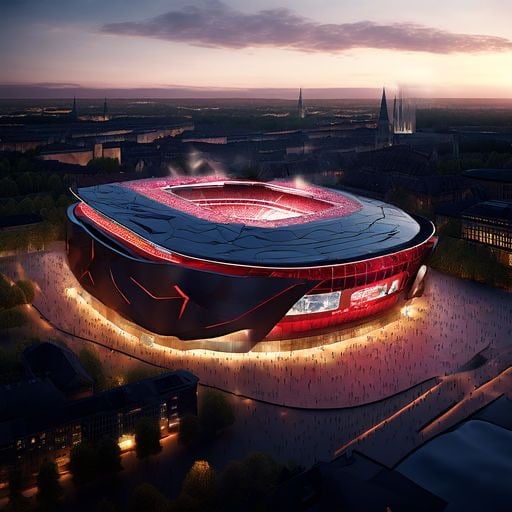
Over the last decade, owners of sports teams around the world have begun to invest heavily in new state-of-the-art sports stadiums. Across cricket to football, from American football to basketball, new arenas have reshaped not only a club’s identity but also the city’s skyline where they are constructed.
From Tottenham Hotspur’s futuristic home in London to SoFi Stadium in Los Angeles, these projects have redefined what “home” means in modern sport. They’re not just venues for games; they’re year-round destinations blending architecture, entertainment, and identity.
A match day is now part of a broader experience that includes restaurants, retail, and hospitality. The modern stadium isn’t simply built to hold fans — it’s built to keep them before, during, and after a game. This shift says as much about the business strategy of these owners as it does about sport. Modern clubs and franchises see their stadiums as the heartbeat of their brand — engines for growth, global relevance, and long-term revenue.
And so, as teams from Manchester United to Barcelona, Real Madrid to the Golden State Warriors, and clubs around the world invest billions in new homes, one question lingers: when every team builds bigger and brighter, what are they really chasing?
The Global Stage: Sport Meets Spectacle
Over the last decade, stadiums have evolved from being mere venues for sports games to multi-purpose entertainment hubs — architectural marvels and technological powerhouses that showcase both ambition and strategic business thinking. Retractable roofs, LED facades, energy-efficient systems, and integrated fan technology define what a modern stadium looks like, similar to Bayern Munich’s Allianz Arena, which has become a landmark since its construction. Tottenham Hotspur Stadium blends digital displays and modular seating with an in-house craft brewery and a state-of-the-art roof tour for fans, while the Intuit Dome, home of the LA Clippers, has taken fan experience to a whole new level with a massive center-hung LED screen and next-generation technology, setting standards for basketball arenas worldwide.
At the same time, these venues are revenue engines and brand amplifiers, often at the center of larger regeneration projects. Modern arenas host concerts, corporate events, and fan experiences, while surrounding developments — retail, residential, and leisure spaces — transform entire neighborhoods into year-round destinations. Taylor Swift performed at SoFi Stadium in Los Angeles, Coldplay at Motera Stadium in India, and Beyoncé at Tottenham Hotspur Stadium in London, all constructed in the last decade, showing how clubs and planners monetize their arenas while expanding global visibility. By integrating hospitality, retail, and entertainment, stadiums create multiple income streams, enhance local economies, and extend fan engagement — a business strategy that complements their spectacle.
In short, modern stadiums are as much about strategic business sense as they are about sport and spectacle. They serve as global stages where architectural ambition, urban regeneration, and fan experience converge — illustrating how clubs and cities now view home grounds not just as playing fields, but as engines for influence, growth, and long-term value. However, does it continue to make financial sense?
When Ambition Meets Interest
While modern stadiums are engines for revenue, brand growth, and fan engagement, their construction comes at an ever-increasing cost. Over the past decade, top-tier stadiums have averaged $800 million to $1.5 billion, with some, like SoFi Stadium, surpassing $5 billion. Stadiums are typically financed over many years through loans or bonds, rather than coming directly out of the owners’ pockets. Interest rates have shifted significantly over time: pre-COVID, borrowing costs were historically low, making long-term financing more manageable, whereas today’s higher rates have increased the cost of capital, adding a new layer of complexity to stadium projects.
A clear example comes from Tottenham Hotspur and Everton. Both clubs embarked on stadium projects of similar scale, but timing changed everything. Spurs, breaking ground earlier, secured borrowing at a blended interest rate of roughly 2.7%, keeping financing costs manageable. Everton, starting later with their new Bramley-Moore Dock Stadium, faced much higher initial rates — around 11–12% — which translated into significantly larger annual interest payments. Although Everton later refinanced at better terms, the contrast shows how even projects with similar construction costs can have very different financial outcomes depending on when they are financed.
Even with multi-purpose revenue streams and strategic planning, clubs still face the reality that stadium projects are high-stakes ventures. Balancing spectacle, ambition, and fiscal prudence is essential to ensure these arenas remain engines for growth rather than becoming financial burdens.
In short, the modern stadium is both a symbol of ambition and a test of financial strategy — a delicate balance between building for the future and managing today’s economic realities.
Looking Ahead: The Stadium of Tomorrow
The story of modern stadiums doesn’t end with completed arenas. Clubs around the world are continuously planning their next moves, whether through expansions, renovations, or entirely new builds. Manchester United has explored plans to redevelop Old Trafford, aiming to increase capacity and integrate state-of-the-art facilities. Across Europe and the U.S., teams are embracing multi-purpose designs, advanced technology, and sustainable infrastructure to create arenas that remain relevant for decades. The blueprint is clear: stadiums are no longer just homes for sport — they are centers of community, entertainment, and commerce.
Yet amid all the ambition, investment, and spectacle, clubs face a delicate balance: building bigger, smarter, and more profitable venues while preserving the soul of the stadium — the passion, history, and human connection that first drew fans through the gates. After all, a stadium is much more than concrete and steel — it is the heart of the fan experience, where memories are made and traditions live on.