
Contracts, Clauses & Broken Promises: Loyalty in the Modern Game
Loyalty in modern sport is complicated. From Virat Kohli to Luka Dončić and Alexander Isak, 2025 has shown devotion rarely flows both ways. Through IPL, NBA, and football, we explore the Good, Bad, and Ugly — where loyalty is rewarded, tested, or tragically ignored, and why true loyalty still matters.
Ananth Shivram
11/16/20256 min read
The Oxford dictionary defines loyalty as “a strong feeling of support or allegiance.” But that raises an uncomfortable question — is this feeling meant to flow only one way, or should it be reciprocated by the very institutions and teams that demand it?
After following sport across leagues and continents, 2025 has made one thing clear: in modern sport, loyalty almost never flows both ways.
Whether it’s Ravindra Jadeja — once the beating heart of Chennai Super Kings — being traded to Rajasthan Royals, or Luka Dončić of the NBA, being shipped from the very franchise that drafted him, the Dallas Mavericks, to the Los Angeles Lakers, or even Alexander Isak forcing his way out of Newcastle after refusing training in pursuit of a late-summer move, the story repeats itself. One side asks for devotion; the other decides when it’s no longer convenient.
So let’s dig deeper into the good, the bad, and the ugly of loyalty in modern sport.
THE GOOD — When Loyalty Still Means Something
At its best, loyalty is a two-way street — a relationship built on trust, shared purpose, and the belief that staying is more meaningful than leaving. It’s the rare scenario where a player and team grow together, win together, and elevate each other.
Think of Steph Curry, who didn’t just stay with Golden State — he became Golden State. Through injuries, roster changes, and dynastic pressure, he stayed rooted. The Warriors rewarded him with stability, trust, and the freedom to shape their identity, culminating in multiple titles.
Or Giannis Antetokounmpo, who resisted the glamour of bigger markets to remain in Milwaukee — and, crucially, the Bucks matched that loyalty with bold roster construction and total organisational alignment. The payoff arrived in the form of a 2021 championship run that will define both his legacy and the franchise’s history.
Football has its timeless examples too. Paul Scholes, who once turned down a move abroad because he simply couldn’t imagine wearing another badge. No theatrics, no demands — just a bond built on mutual respect.
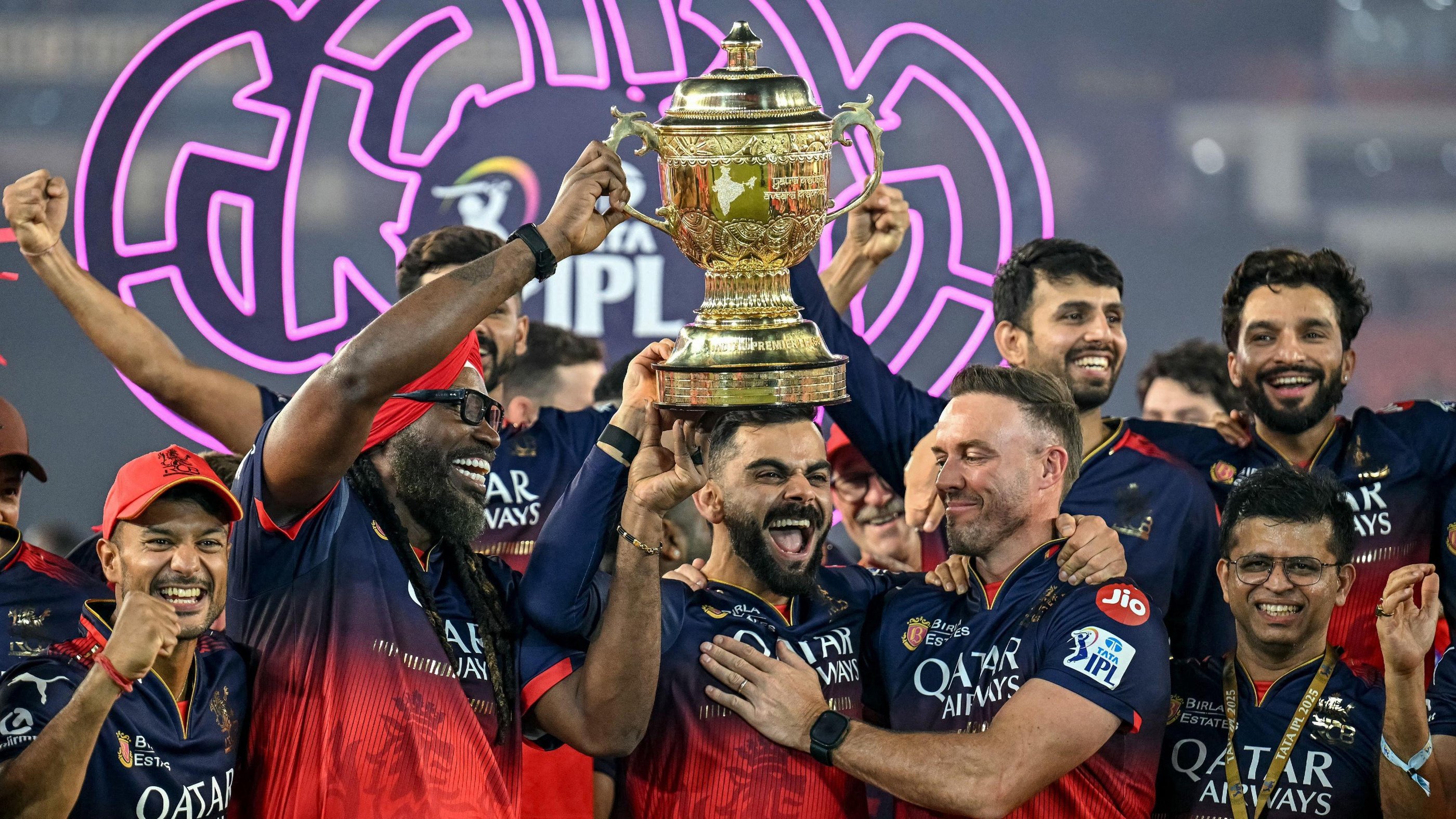
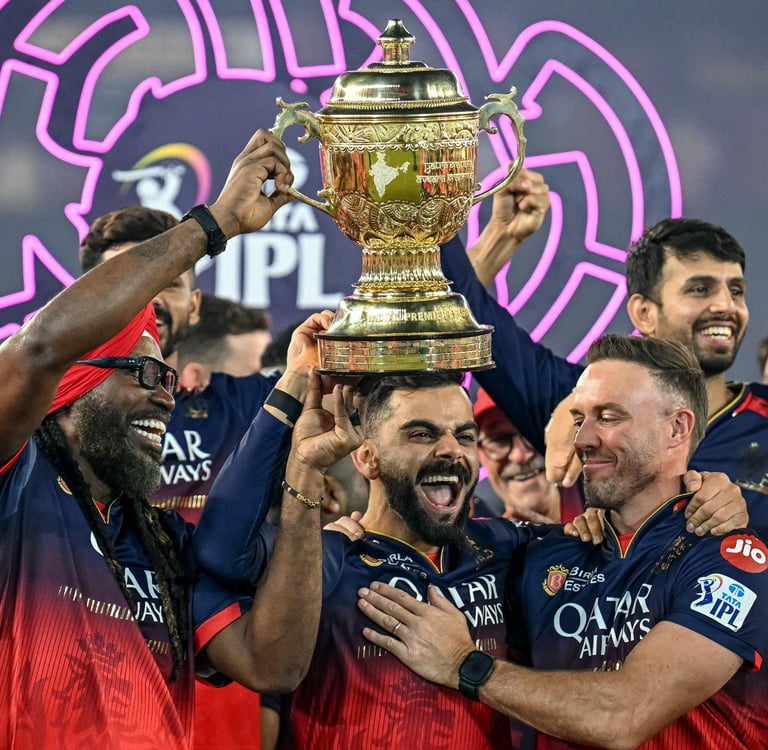
And in cricket, Virat Kohli’s long-standing relationship with Royal Challengers Bengaluru showcased a loyalty the franchise was willing to reciprocate. They built around him, backed him through highs and lows, and eventually shared the long-awaited joy of an IPL title in 2025.
In all these cases, loyalty wasn’t a demand. It was an understanding — and it was returned.
THE BAD — When Loyalty Becomes a Tool for Leverage
If the “good” side of loyalty is rooted in trust and reciprocity, the “bad” side is where loyalty becomes conditional, strategic, or transactional. Not outright betrayal — but loyalty used as leverage rather than a bond. What emerges may benefit the player or team, but the journey there leaves bruises.
Start in the IPL, where the mega auction cycle practically resets squads every few seasons. Even players who bleed for a franchise can be released overnight — not because of form, attitude, or commitment, but due to purse constraints and tactical reshuffles. It’s not the fault of players or teams; it’s a structural design that makes long-term connections almost impossible. Fans barely get attached before the auction demands a reset. In such a landscape, loyalty isn’t broken — it’s simply unsustainable.
In the NBA, James Harden is the clearest example of loyalty expectations clashing with reality. He believed that his years as the face of the Houston Rockets, his push for contention in Brooklyn, and his financial sacrifices in Philadelphia had earned him organisational trust and long-term clarity. But modern front offices operate on timelines, cap dynamics, and championship windows — not sentiment. Each franchise made decisions that suited the moment, not the man. Harden’s frustration grew with every relocation, not because he was chasing an exit, but because he expected a level of loyalty that today’s NBA machinery simply doesn’t offer.
Football’s version of “bad loyalty” is far more emotionally complex. It often begins with trust, promises, or shared ambition — and ends with fractures, leaks, and a villain created by the media machine.
Consider Viktor Gyökeres. He wasn’t agitating for months. He wasn’t creating chaos. But he had been given assurances by Hugo Viana, Sporting’s former technical director, that if a top club came for him, the door would be open. When it wasn’t once Arsenal came knocking, he pushed — believing a commitment had been broken. But once the push became public, the media flipped the narrative instantly. Gyökeres — the professional, the fan favourite — was suddenly portrayed as the ungrateful star “forcing his way out.” The move happened. But the goodwill evaporated.
Alexander Isak, meanwhile, lived the more contentious version. He had been central to Newcastle’s rise. Loved. Relied upon. But when the right opportunity came to move to Liverpool for a world-record transfer fee, he wanted the next step — and unlike Gyökeres, he made it unmissably clear. He refused training, skipped pre-season sessions, and signalled he wouldn’t start another season in black and white. Once that surfaced, the media did what it always does: cast him as the villain. Disrespectful. Disloyal. Ungrateful. All nuance vanished.
Both players got the moves they wanted. Both paid for it by burning bridges — some by choice, some by narrative. This is the heart of “bad loyalty”: no one is truly wrong. No one is entirely right. But in the end, someone always gets painted as the villain, and loyalty becomes the first casualty.
THE UGLY — Paying the Price for Loyalty
If the “good” is about mutual respect and the “bad” is about mismatched expectations, then the ugly side of loyalty is where it becomes genuinely painful — where devotion is offered but never returned, or where staying loyal ends up costing a player more than leaving ever would have.
Take Luka Dončić, the Slovenian superstar who became the face of the Dallas Mavericks in the NBA. From the moment he was drafted, he carried the franchise — through playoff heartbreaks, roster gambles, and eventually all the way to the NBA Finals in 2024. He stayed patient, and never flirted with a move despite the growing noise around him.
And yet in 2025, Dallas traded him to the Los Angeles Lakers — not because he demanded out, not because he declined, but because the organisation decided it was time for a reset. In a tit-for-tat twist, Dallas also fired their General Manager in the aftermath of the trade amid vehement fan protest, and are planning a full rebuild trying to find the next Luka Dončić. For a player who gave everything, the message was brutal: even loyalty from a franchise cornerstone doesn’t guarantee loyalty in return.
Football’s version of this heartbreak came through Marc Guéhi, Crystal Palace’s calm, composed England centre-back. He trusted the process. He waited for the right offer. He stayed professional through months of speculation. And on deadline day, when everything was set for his big move, the club pulled the plug in the final hours — leaving him stranded.
The sting grew sharper when, on the very same day, Alexander Isak, who we spoke about earlier, successfully forced a blockbuster move to Liverpool. The contrast was painful: Guéhi did everything “the right way” — and ended up punished for it. Isak burned bridges — and got rewarded. It begged the uncomfortable question: in modern football, is staying loyal actually a disadvantage?
And then there’s Ravindra Jadeja, the iconic all-rounder who defined the Chennai Super Kings for more than a decade in the IPL. Jadeja was more than just a player — he was a symbol of CSK’s identity, culture, and grit. He put the finishing touch to their most recent IPL title in 2023. But even he wasn’t protected when the franchise decided to recalibrate for the future after a poor season in 2025. His trade to Rajasthan Royals wasn’t hostile, but it was cold — a reminder that the IPL’s ecosystem can swallow sentiment whole. Here too, a loyal servant found out the hard way that business moves faster than bonds.
The ugly side of loyalty isn’t loud or dramatic. It’s quiet, abrupt, and often cruel. It’s where players realise that giving everything still doesn’t guarantee anything in return — and sometimes, loyalty isn’t a virtue at all, but a vulnerability.
Modern sport moves fast, and loyalty rarely moves at the same pace. What we’ve explored here — from the IPL to the NBA to European football — is just the tip of the iceberg. There are countless other cases, players, and moments we haven’t covered.
The truth is simple: in today’s game, loyalty doesn’t exist as we once imagined. But once we accept that, we can better appreciate the rare moments when true loyalty still shines through.